
Soil Blocking: Regenerative Farming as Resistance
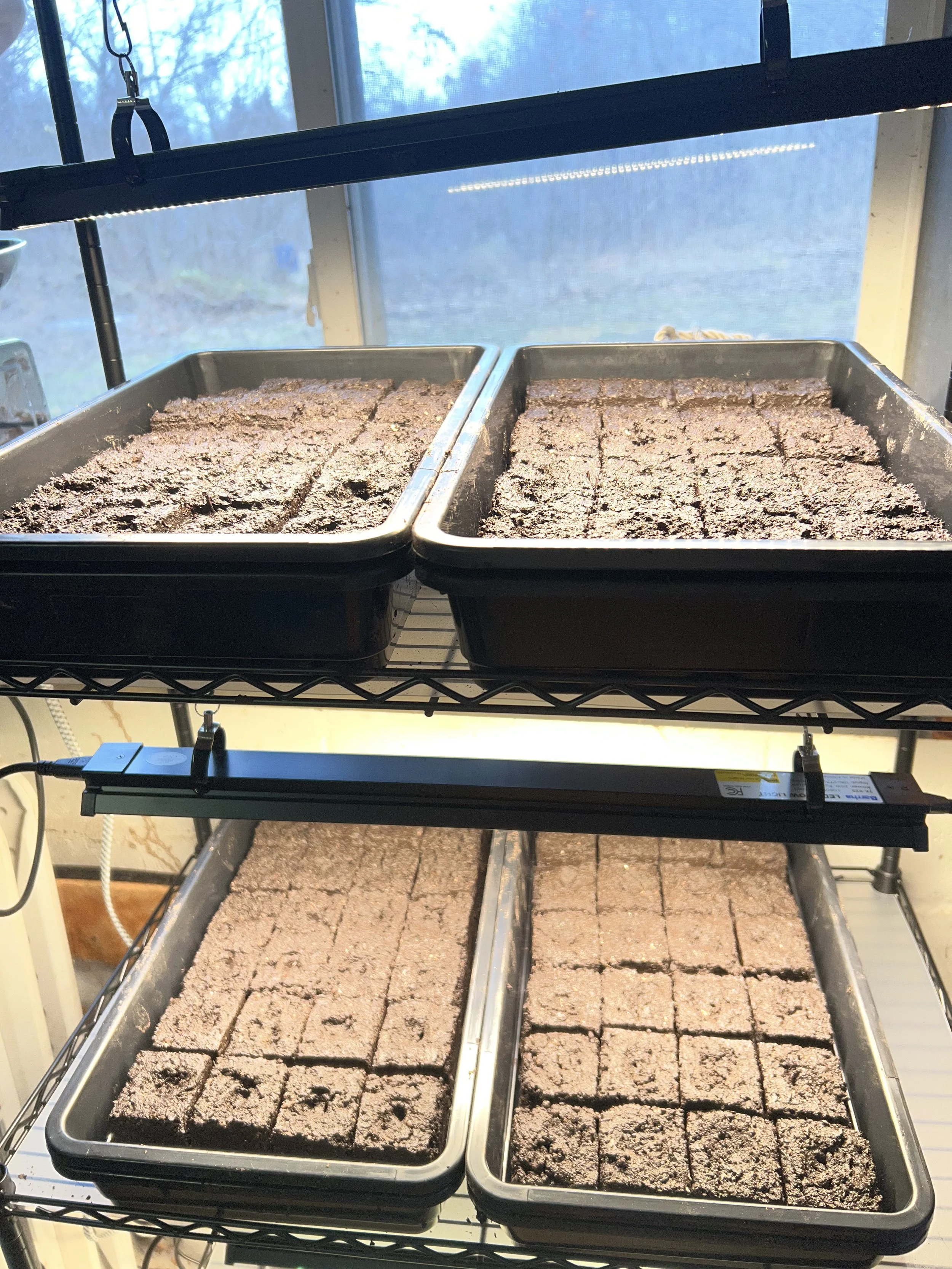
In the quiet work of the farm, resistance often looks like small, simple acts. Hands in soil. Seeds pressed gently into life. Choosing practices that care for the earth rather than extract from it.
One of those quiet acts is soil blocking.
For many small organic farmers, soil blocking is simply a seed-starting technique. But within regenerative farming—and within movements for land justice and food sovereignty—it becomes something deeper. Soil blocking is a way of growing food that refuses unnecessary waste, rejects industrial shortcuts, and reconnects us to the living soil that sustains us.
This is why soil blocking belongs in our ongoing conversation about organic farming as resistance.
What Is Soil Blocking?
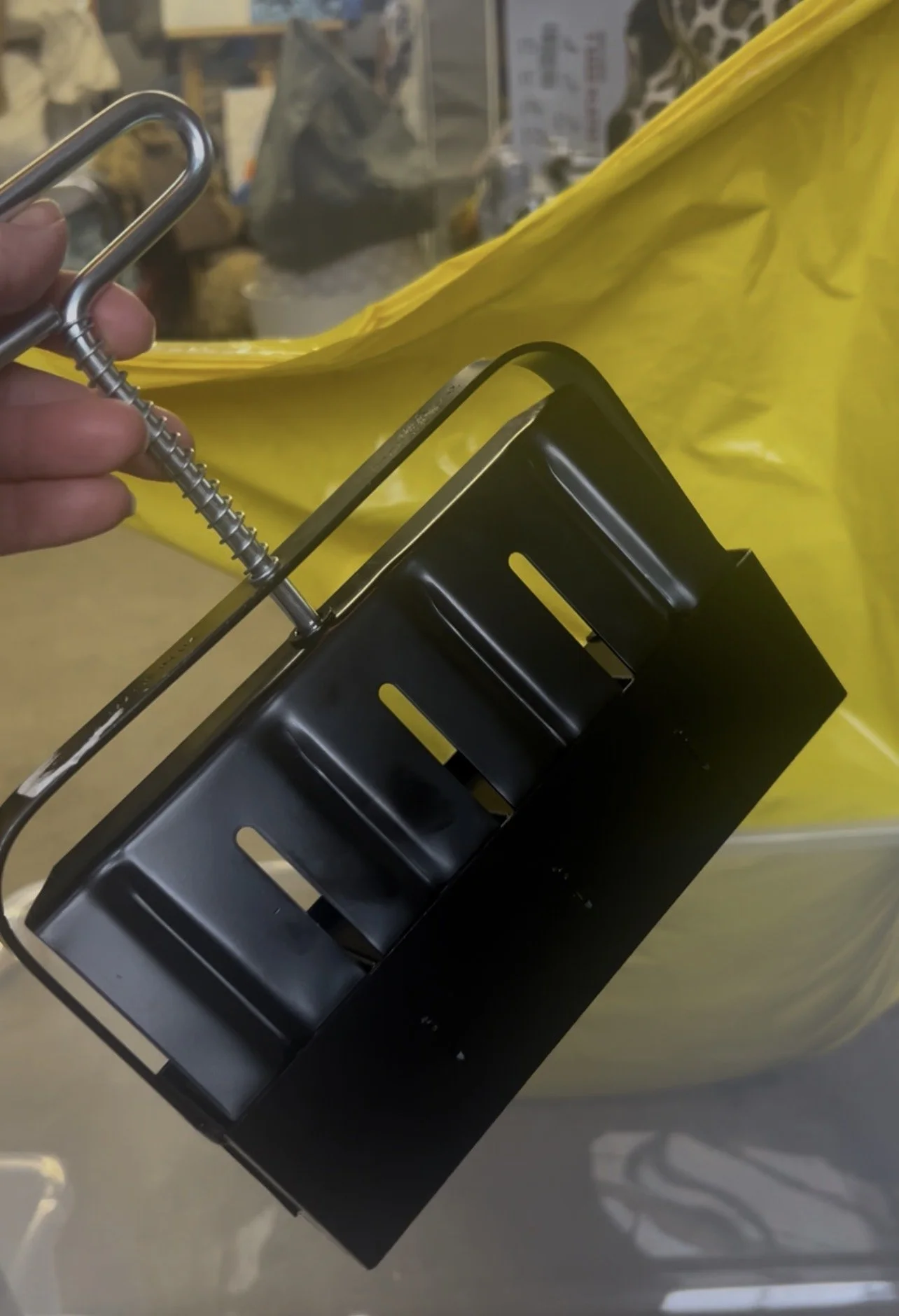
4 block Seed Blocker makes 2 inch blocks
Soil blocking is a method of starting seeds without plastic pots or trays. Instead of using containers, a soil block maker compresses a special seed-starting mix into small cubes of soil. Each cube becomes its own tiny nursery for a seed.
These blocks are placed closely together in trays where they hold their shape and allow roots to grow freely until transplanting.
When seedlings grow in soil blocks, their roots reach the edges of the cube and naturally air prune, encouraging strong root systems rather than the spiraling roots that often develop in plastic containers.
It is a simple technique—but its simplicity is powerful.
Breaking Up with Plastic
Industrial agriculture—and even much of modern gardening—relies heavily on plastic.
Plastic seed trays.
Plastic pots.
Plastic packaging.
These materials are often used for a single season and then discarded. Many end up in landfills, incinerators, or the broader environment.
Soil blocking quietly interrupts this cycle.
With a metal soil blocker, a farmer can start thousands of seedlings over many seasons with little to no plastic waste. The soil itself becomes the container.
This small shift matters. It reminds us that we can choose systems that regenerate rather than consume.
Every seed started without plastic is a small act of refusal.
Strong Roots, Healthy Soil
Regenerative farming begins with soil. Not as a resource to exploit, but as a living community.
Soil blocks support this philosophy in several ways:
Seedlings develop stronger root systems
Transplants experience less shock
Plants establish quickly in the garden
Soil structure is respected and nurtured
Healthy roots mean healthier plants. Healthier plants mean resilient farms. And resilient farms are the foundation of local food systems that can withstand climate instability and industrial disruption.
When we build soil health, we are investing in long-term ecological resilience rather than short-term yields.
Slowing Down the System
Industrial agriculture thrives on speed, scale, and uniformity.
Regenerative farming moves differently.
It invites us to slow down. To pay attention. To develop practices that align with the rhythms of the land rather than the demands of industrial supply chains.
Soil blocking is not the fastest way to start seeds. It takes intention. Moistening the mix just right. Compressing the blocks. Setting each tiny cube into a tray.
But in this slower rhythm, farmers rediscover a kind of intimacy with the growing process.
Each seed becomes visible. Each tray becomes an act of care.
Farming as Resistance
Across history, growing food has been a powerful form of resistance.
Communities have planted gardens during war, during displacement, during economic crisis, and in the face of systems designed to make them dependent.
Farming becomes resistance when it:
restores land rather than degrading it
centers community nourishment over profit
reduces reliance on extractive industrial systems
reconnects people with soil, food, and each other
For queer communities, marginalized communities, and communities working toward food justice, reclaiming land-based practices can be deeply healing.
It says:
We will feed ourselves.
We will care for the land.
We will build something different.
Even something as humble as a soil block participates in that vision.
Soil Blocks at Chosen Family Farm
At Chosen Family Farm, soil blocking is part of our commitment to regenerative agriculture and community care.
Each tray of seedlings represents more than vegetables. It represents a future rooted in:
organic growing practices
community nourishment
ecological stewardship
queer belonging on the land
From kale and tomatoes to herbs and flowers, our seedlings begin their lives in living soil—ready to grow into food that sustains both body and community.
When we press those small cubes together in early spring, we are doing more than starting seeds.
We are practicing a different way of farming.
A slower way.
A more just way.
A regenerative way.
The Work Ahead
Resistance is not always loud. Often it looks like quiet persistence.
Preparing beds.
Saving seeds.
Building soil.
Growing food for one another.
These are the practices that slowly transform landscapes and communities alike.
So this season, as seedlings rise from their soil blocks toward the light, we remember that regenerative farming is more than technique.
It is a commitment to the land, to justice, and to the possibility of a more nourishing world.